

UMCOR
As the humanitarian relief and development arm of The United Methodist Church, the United Methodist Committee on Relief – UMCOR – assists United Methodists and churches to become involved globally in direct ministry to persons in need. UMCOR comes alongside those who suffer from natural or human-caused disasters – famine, hurricane, war, flood, fire or other events—to alleviate suffering and serve as a source of help and hope for the vulnerable. UMCOR provides relief, response and long-term recovery grants when events overwhelm a community’s ability to recover on their own. UMCOR also provides technical support and training for partners to address emerging and ongoing issues related to disaster relief, recovery, and long-term health and development.
Current UMCOR Responses
Explore UMCOR
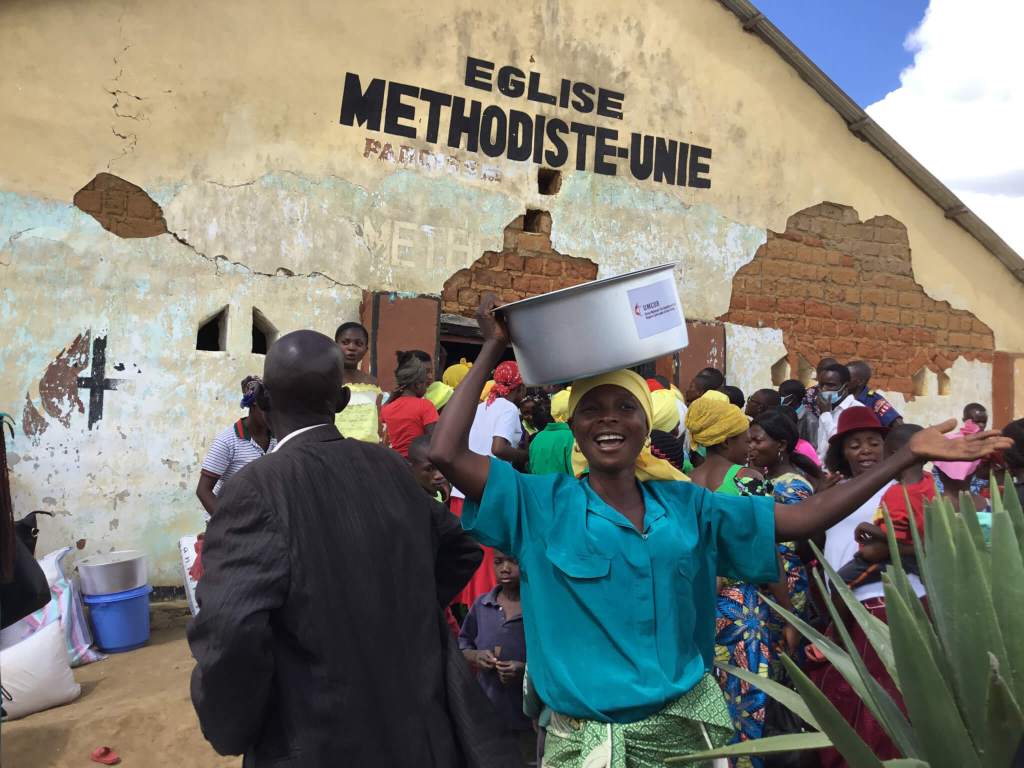
When a natural or human-caused disaster strikes outside of the U.S., UMCOR serves as the primary channel for United Methodist assistance.
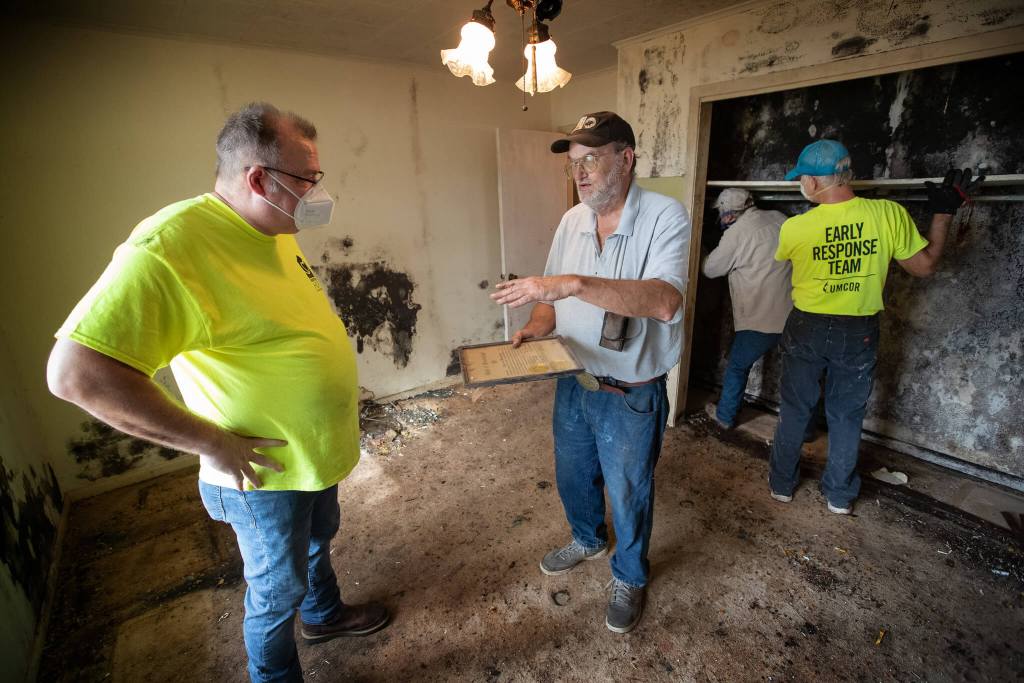
UMCOR supports local efforts to accomplish immediate relief and long-term recovery while providing for volunteers to offer compassionate ministries in the aftermath of disasters.
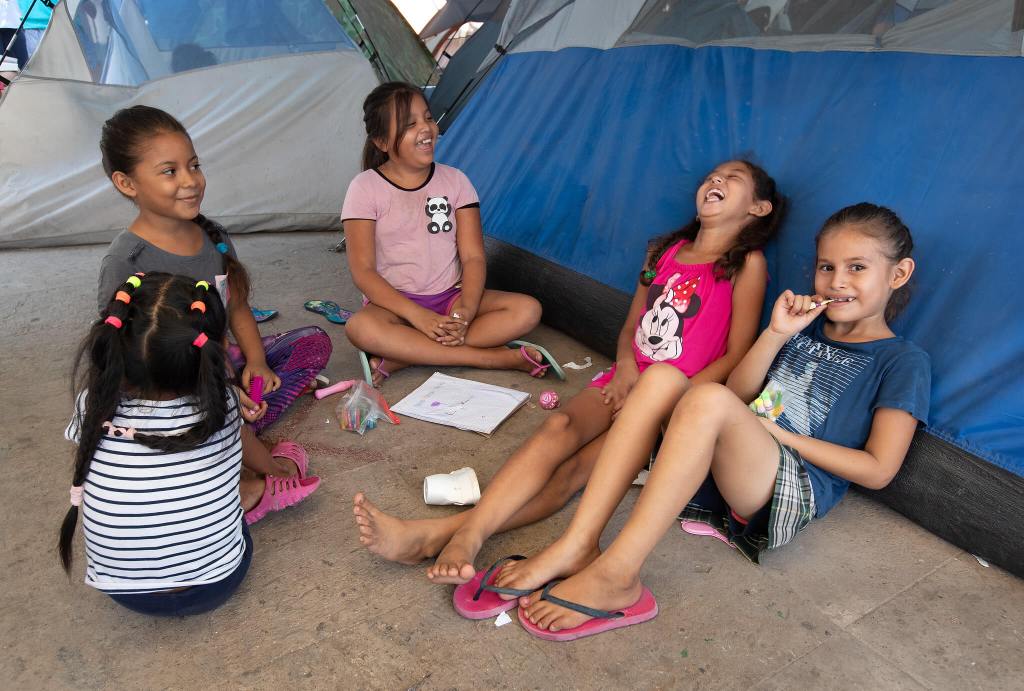
UMCOR’s global migration program helps refugees and migrants as well as the churches and ecumenical networks that assist them.
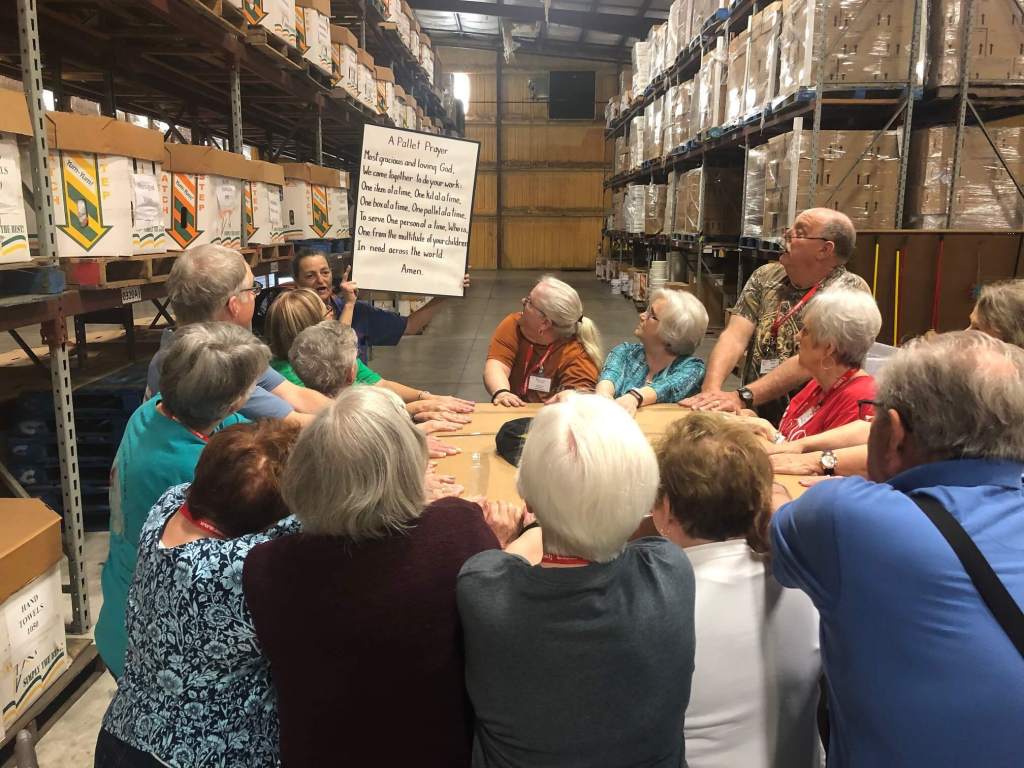
Relief supplies provide care for the most vulnerable following a disaster or during times of crisis. (U.S. only)
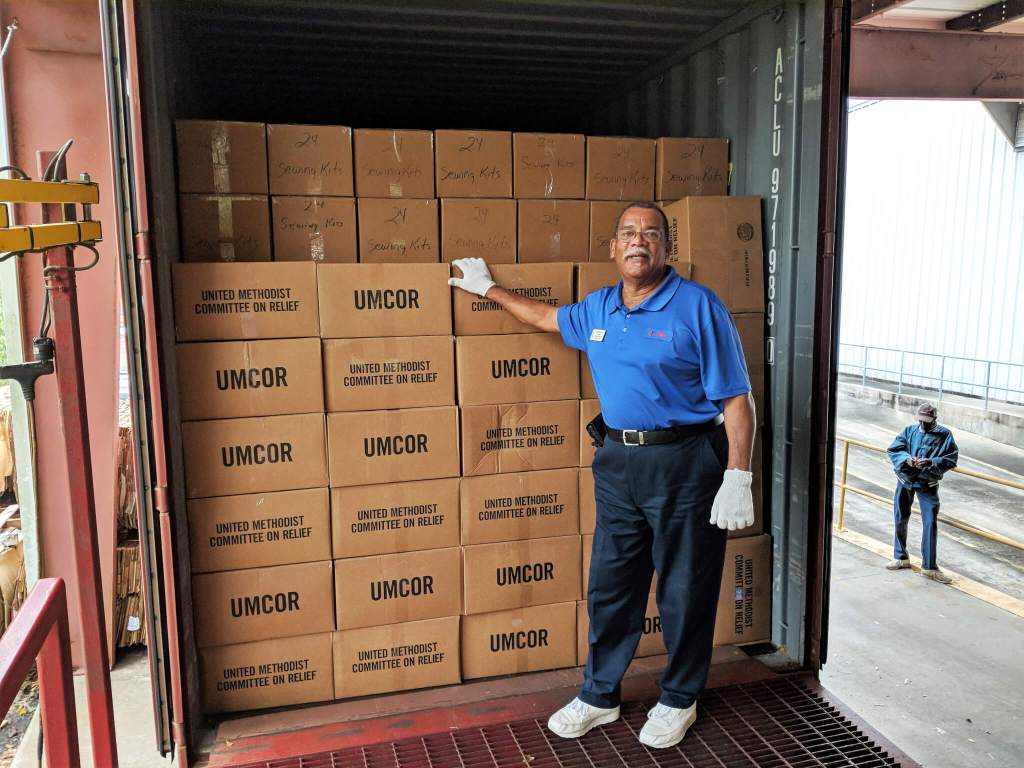
UMCOR Sager Brown collaborates with affiliate warehouses within the United Methodist Relief Supply Network to distribute relief supplies. (U.S. only)
How we work
Originally founded in 1940 in response to displaced and vulnerable populations in the wake of World War II, The United Methodist Committee on Relief (UMCOR) is a ministry of The United Methodist Church through the General Board of Global Ministries. Our goal is to assist the most vulnerable people affected by crisis or chronic need without regard to their race, religion, gender, or sexual orientation. We believe all people have God-given worth and dignity.
Support our work
- Pray: Our work is undergirded by the power of prayer – both in the hours after a disaster strikes and through recovery.
- Make supply kits: Assemble relief supply kits to help keep UMCOR’s Relief Supplies Network ready to deliver goods in the hands of survivors (U.S. only)
- Volunteer: U.S. volunteer efforts are arranged through annual conferences; reach out to your conference disaster relief coordinator to learn more.
- Give: To provide support where it is most needed, give to Advance #999895. To specifically support UMCOR’s international disaster response efforts, you can give to Advance 982450. To specifically support UMCOR’s U.S. disaster response efforts, you can give to Advance 901670.
To give by phone, call 1-888-252-6174 (credit card gifts accepted). To give by mail, make your check payable to Advance GCFA, write the name of the missionary or project and the Advance number on the memo line of the check and send it to:
Global Ministries/UMCOR
GPO
P.O. Box 9068
New York, NY 10087-9068
For questions about giving, please email donationhelp@umcmission.org.
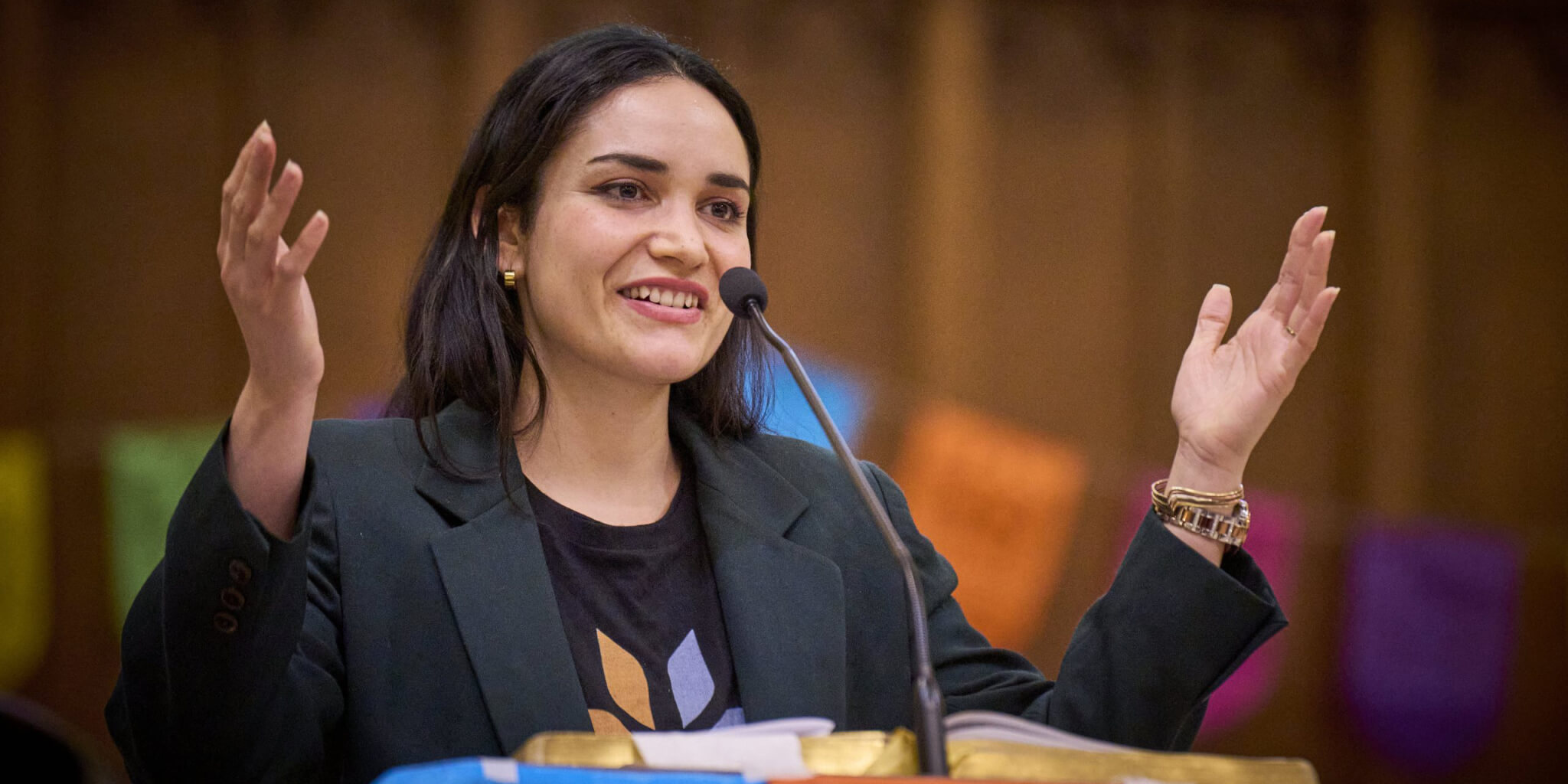
Co-sponsored by Global Ministries, an Earth Day service and vigil called the global church to greater stewardship of creation.
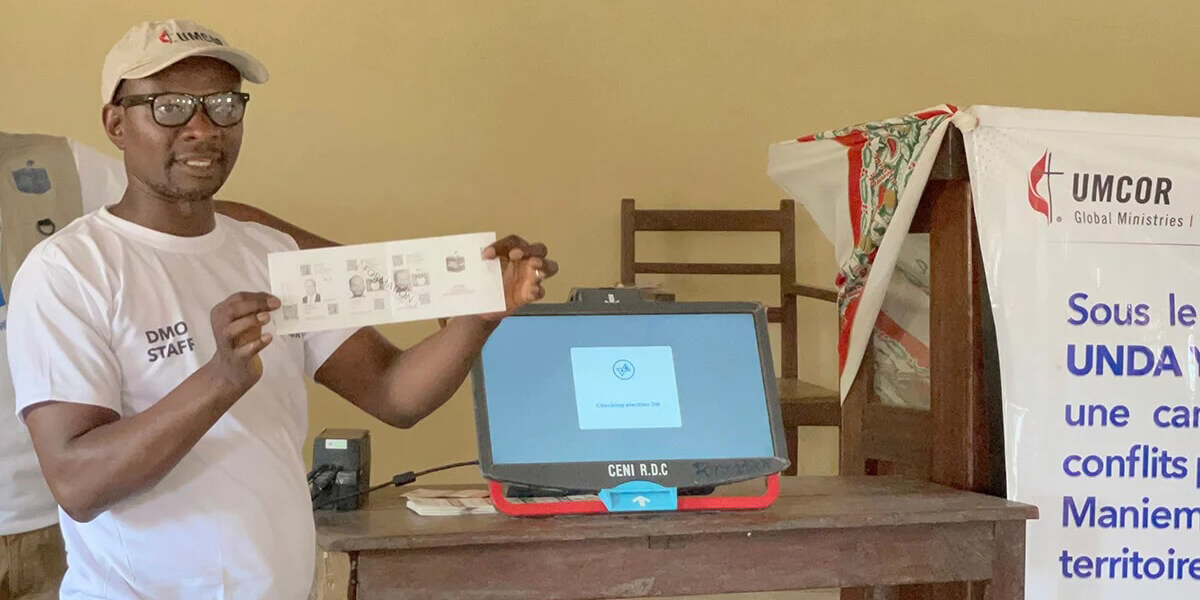
The church in Eastern and Southern Congo ran awareness campaigns on conflict and violence before, during and after the country’s recent elections with the help of funding from UMCOR.
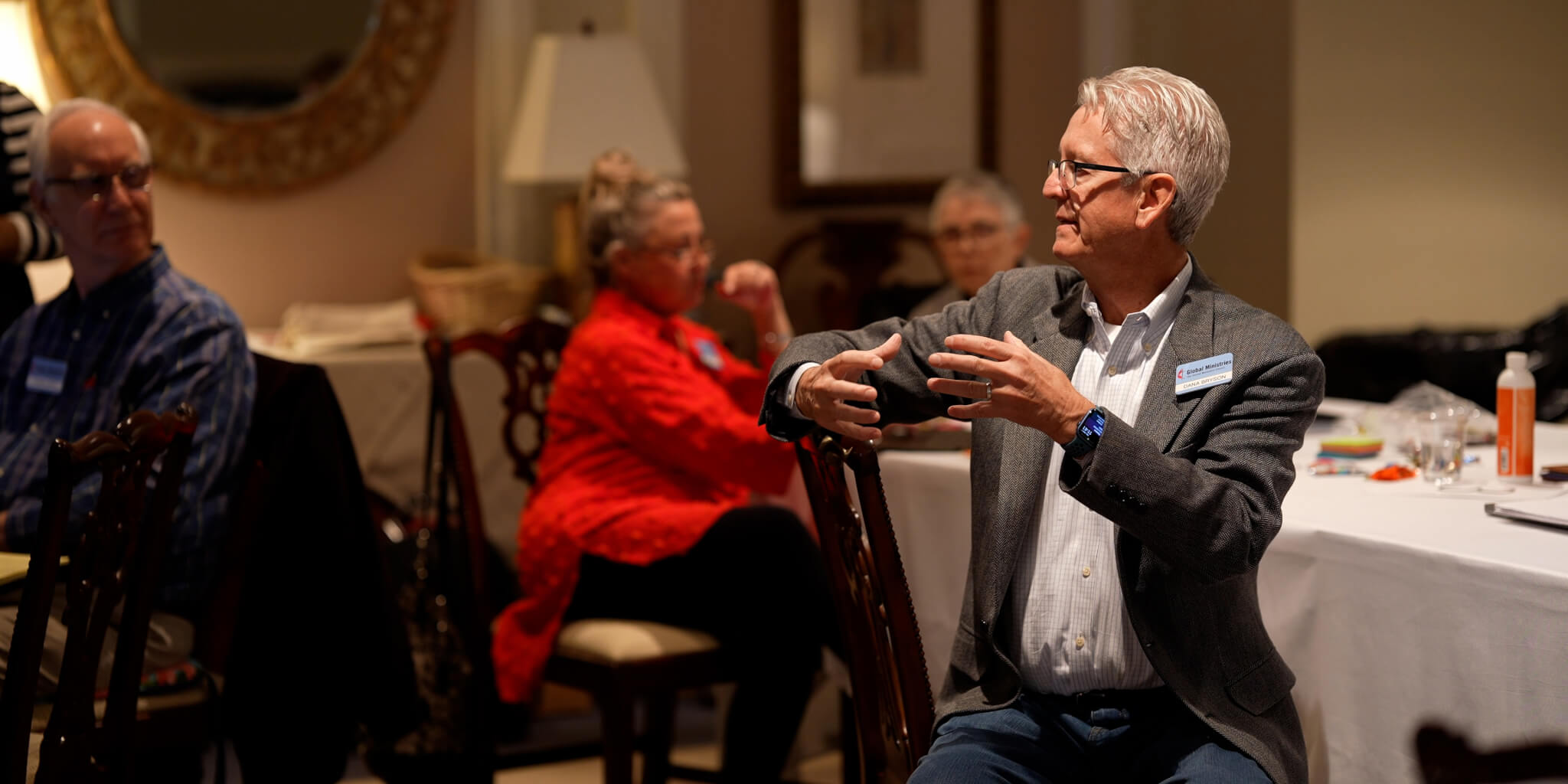
Hear from conference disaster response coordinators on what their partnership with UMCOR means to them.